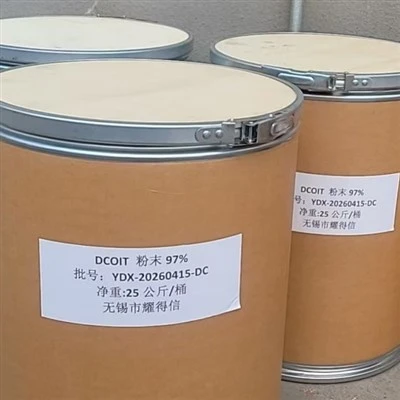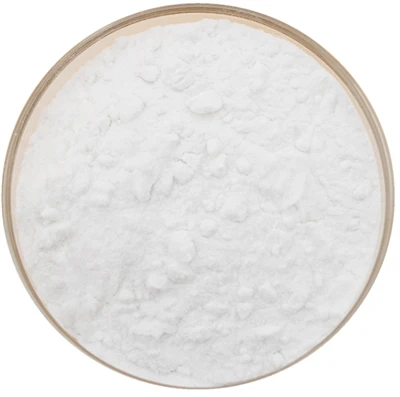


Diuron for Antifouling Paint is a substituted urea herbicide widely used as an active ingredient in weed control products. As a Diuron manufacturer and supplier, we serve agrochemical manufacturers, pesticide formulation companies, agricultural chemical importers, herbicide wholesalers, and regional distributors.
Cas:330-54-1
Apperance: white crystalline solid
Allias: Urea, N'-(3,4-dichlorophenyl)-N,N-dimethyl-; Herbatox; 3-(3,4-dichlorophenyl)-1,1-dimethyl-urea; 3-(3,4-Dichlorophenyl)-1,1-dimethylurea; Urea, 3- (3,4-dichlorophenyl)-1,1-dimethyl-; DP Hardener 95; HW 920; Karamex; Vonduron; 1-(3,4-Dichlorophenyl)-3,3-dimethylurea; Urea, N- (3,4-dichlorophenyl)-N,N-dimethyl-; DCMU; DCMU 99; Karmex D; N-(3,4-Dichlorophenyl)-N, N-dimethylurea;D ailon; Dyhard UR 200; 3- (3,4-Dichloor-fenyl)-1, 1-dimethylureum(DUTCH);
Chemical Structure:


Diuron Mode of Action
The main characteristics of its herbicidal action include:
Photosynthesis inhibition: Interferes with photosystem II activity in susceptible plants.
Residual soil activity: Can provide residual weed control following soil application under suitable conditions.
Pre-emergence use: Commonly incorporated into pre-emergence weed management programs.
Post-emergence activity: Can also affect emerged susceptible weeds under appropriate registered application conditions.
Diuron Applications
Agricultural Weed Control
Diuron is used in registered agricultural herbicide programs to control susceptible annual and perennial broadleaf weeds and certain grassy weeds.
Potential agricultural application categories include:
Sugarcane cultivation
Cotton production
Selected fruit-growing areas
Other registered crop production systems
Non-Crop Weed Management
Diuron is also used in certain non-agricultural weed control products for designated areas where vegetation management is required.
Depending on local registration, these applications may include:
Industrial and commercial sites
Roadsides and designated infrastructure areas
Other approved non-crop locations
Application restrictions and environmental precautions must be observed, particularly in areas near water bodies or sensitive vegetation.

Fomula: C9H10Cl2N2O
M.W.: 233.11
EINECS: 206-354-4
Gravity: 1.369 g/cm3
Metlting point:158-159 ºC
Boiling point: 385.2 °C at 760 mmHg
Flash point: 385.2 °C at 760 mmHg
Solubility: 0.0042 g/100 mL in water, . Slightly solved in water and hydrocarbon solvents.
Product specs:
Content: 98% MIN
Loss on drying :0.8%MAX
Insolubility in acetone : 0.5% MAX
Fineness: 98%through 600 mesh
PH : 5-8
Packing: 25kgs UN paper bag or UN cardboard drum with pellet
500kgs/UN big bag, 25kgs/UN woven bag
Hazardous symbols:  Xn,
 N,
 F
Transport: UN:2767 Class 9
Risk: 22-40-48/22-50/53-36-20/21/22-11
Toxicity: low toxicity .
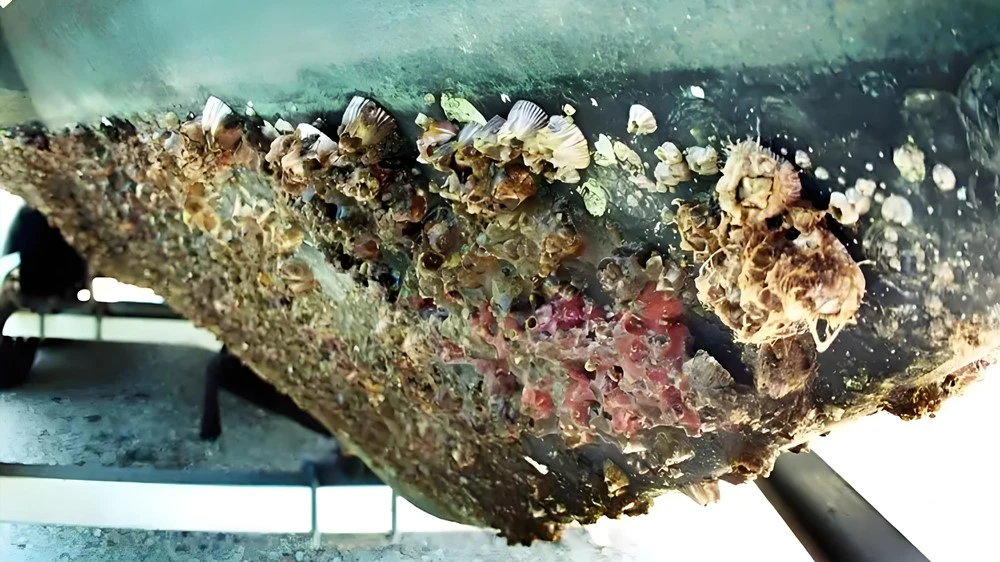
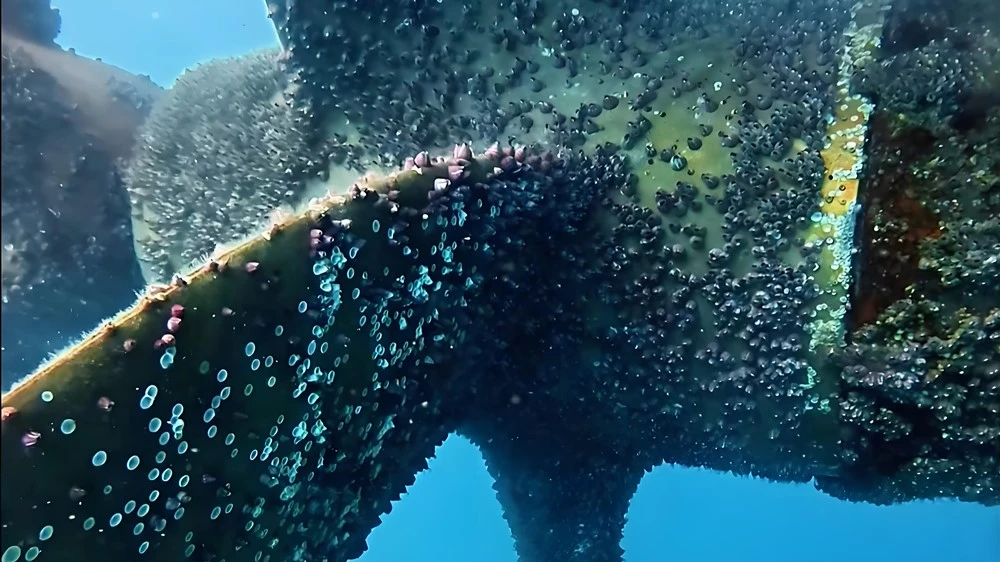
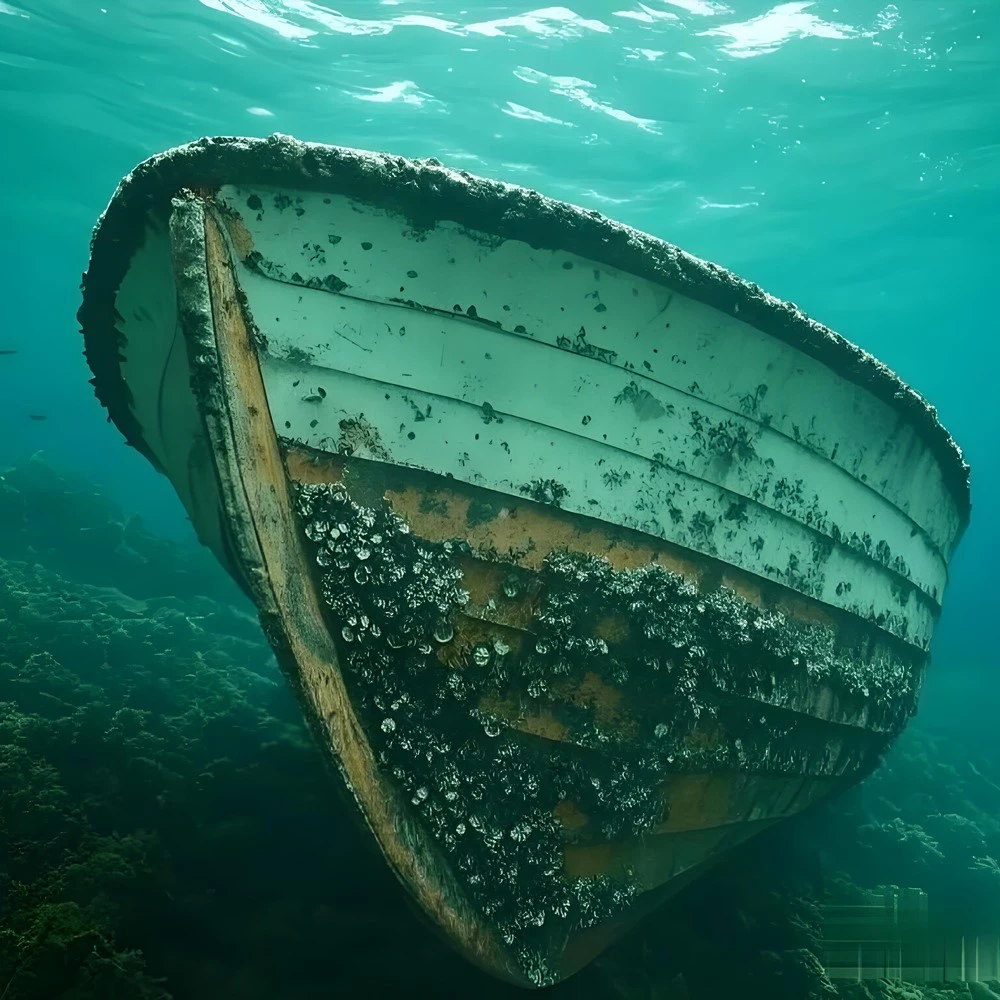
Also used widely antifoulant for marine paint.

Quality Control and Technical Documentation
Relevant quality control parameters include:
Active ingredient assay
Appearance and physical condition
Moisture content
Relevant impurity profile
Compliance with agreed product specifications
Batch-to-batch consistency
Packaging and Storage
Packaging information can include:
Standard export packaging
Bulk packaging for industrial orders
Customized packaging subject to agreement
Product identification and batch traceability labels
FAQ
Q: What is the mode of action of Diuron herbicide?
A: Diuron inhibits photosystem II and interferes with photosynthetic electron transport in susceptible plants. This disrupts photosynthesis and affects plant growth. It is classified as a Group 7 herbicide.
Q: Is Diuron a pre-emergence or post-emergence herbicide?
A: Diuron is primarily used as a pre-emergence herbicide for soil-applied weed control. It can also control emerged susceptible weeds in certain registered applications. Actual use depends on the formulation and product label.
Q: Which weeds can Diuron control?
A: Diuron is used to control a range of susceptible annual and perennial broadleaf weeds and certain grassy weeds. Its effectiveness depends on weed species, growth stage, application conditions, and the registered formulation.
Q: What crops can be treated with Diuron?
A: Diuron is registered for use in selected crops, which may include sugarcane, cotton, and certain fruit crops in specific markets. Approved crops and application conditions vary by country and product registration.
Q: What formulations can be made from Diuron technical?
A: Diuron technical can be used to manufacture wettable powders (WP), suspension concentrates (SC), water-dispersible granules (WDG), and other formulated products, depending on formulation technology and market requirements.
Hot Tags: Diuron for Antifouling Paint, China Diuron for Antifouling Paint manufacturers, suppliers, factory, 64359-81-5, antifouling raw materials, antimicrobial, Zinc Pyrithione, Zineb, ZPT