Introduction
Titanium Dichloride (TiCl₂), also known as Titanium(II) Chloride, is an inorganic titanium halide containing titanium in the +2 oxidation state. As a low-valent titanium compound with reducing properties, it is used in specialized inorganic chemistry research, chemical synthesis, and the development of titanium-containing materials.
It is intended for specialty chemical manufacturers, inorganic compound developers, advanced materials research organizations, chemical distributors, and university laboratories requiring a defined Titanium(II) chloride composition.
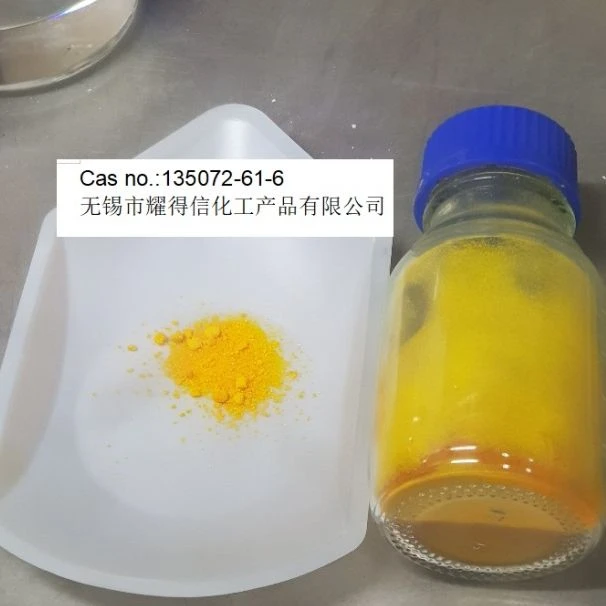
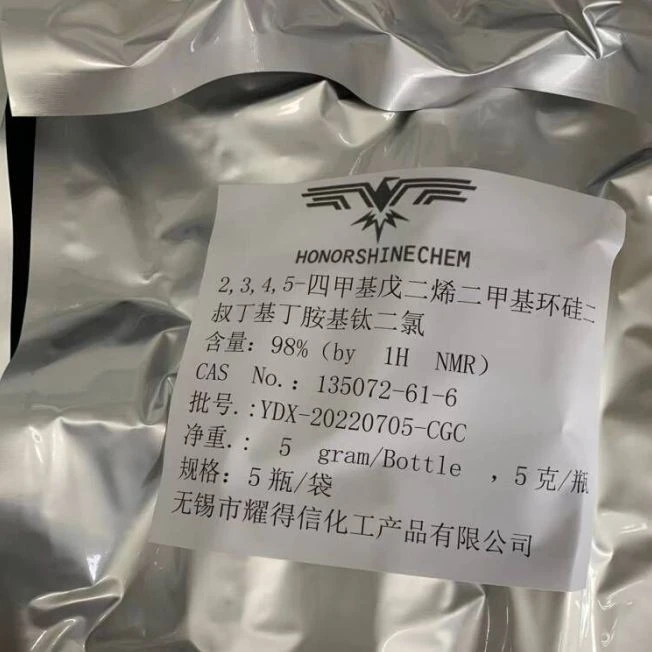
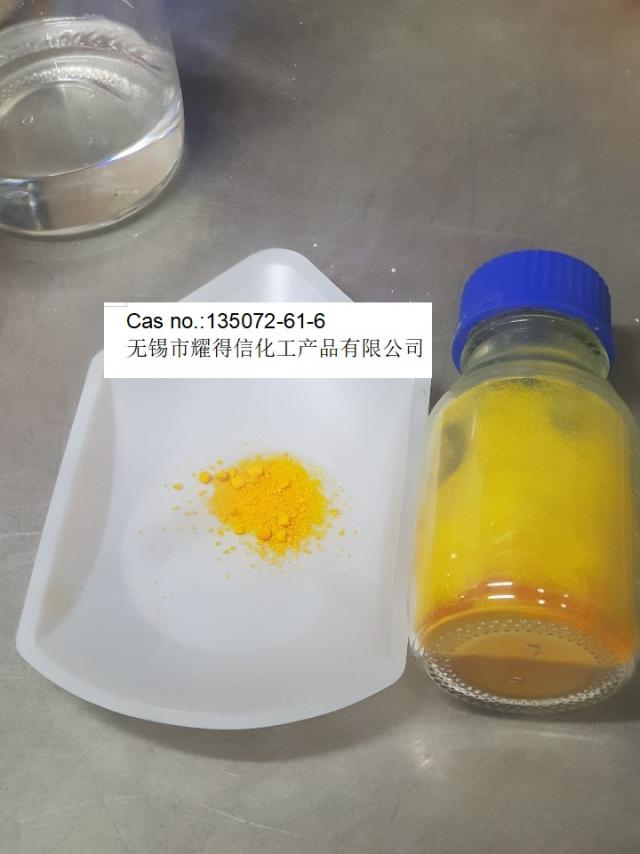
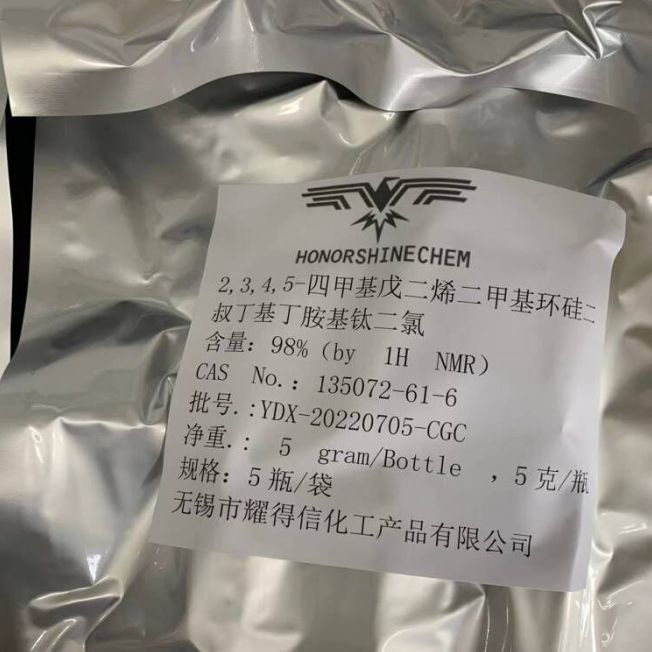
Product name: (Dimethylsilyl(t-butylamino)(tetramethylcyclopentadienyl)titanium dichloride
Molecular formula:C15H27 Cl2 N Si Ti
Molecular weight: 368.24
Chemical structure: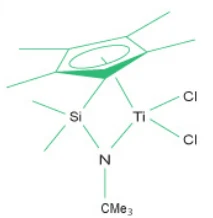
CAS No.:135072-61-6
Or CAS No.:162763-85-1
Product code:HONOR-1032
Purity: >98% by 1H NMR
Applications
1. Inorganic Chemical Synthesis
Used in research involving low-valent titanium compounds and inorganic reaction systems. Its reducing properties make it relevant to selected synthesis routes where titanium in a lower oxidation state is required.
2. Titanium-Based Material Research
Can be evaluated as a titanium-containing starting material in research involving the preparation and transformation of titanium-based compounds.
3. Titanium Chemistry and Process Development
Relevant to laboratory investigations of titanium oxidation states, reduction reactions, and the behavior of titanium chlorides under controlled reaction conditions.
4. Specialty Chemical Research and Development
Suitable for research laboratories and specialty chemical developers working on inorganic compounds, titanium-containing intermediates, and related chemical synthesis projects.
Purity and Impurity Control
For specialized chemical synthesis and materials research, product
Available specification details can be discussed according to the intended application, including:
Titanium Dichloride purity and chemical composition.
Total metallic impurity levels.
Individual trace metal impurities, where specified.
Moisture content and relevant handling requirements.
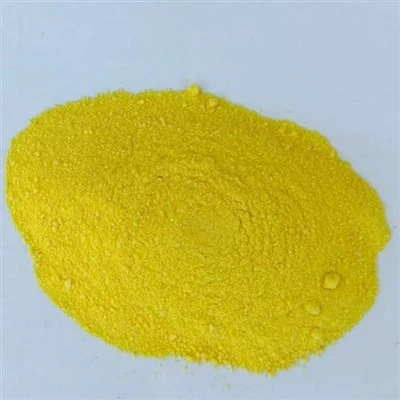
Physical form and particle size, where controlled.
Specific purity grades, analytical limits, and particle size ranges should be confirmed against the current product specification and Certificate of Analysis (COA).
Quality Assurance & Batch Documentation
Consistent chemical composition and traceable batch information are important for laboratory reproducibility and process development.
Certificate of Analysis (COA)
Provides batch-specific analytical information, including the tested product parameters and corresponding results.
Safety Data Sheet (SDS)
Provides information on chemical hazards, handling precautions, storage requirements, exposure controls, and emergency measures.
Chemical Identity and Composition Verification
Supports confirmation of the product's chemical identity and composition against the agreed specifications.
Impurity Analysis
Relevant trace metal and other impurity data can be reviewed according to the product's quality requirements and available analytical methods.
Batch Identification
Batch information supports product traceability and documentation review during procurement and incoming quality inspection.
Customization & Supply Options
Different research and synthesis processes may require different chemical specifications and packaging arrangements.
Depending on actual product availability and technical feasibility, supply requirements can be discussed in the following areas:
|
Supply Requirement |
Details |
|
Purity Grade |
Confirmation of available purity levels |
|
Chemical Composition |
Agreed titanium chloride composition requirements |
|
Trace Metal Impurities |
Specific impurity limits, subject to testing capability |
|
Physical Form |
Available powder or crystalline form |
|
Particle Size |
Evaluation of particle size requirements, where available |
|
Packaging |
Suitable sealed packaging for different order quantities |
|
Documentation |
COA, SDS, and additional analytical information where available |
Packaging, Storage & Handling
Packaging
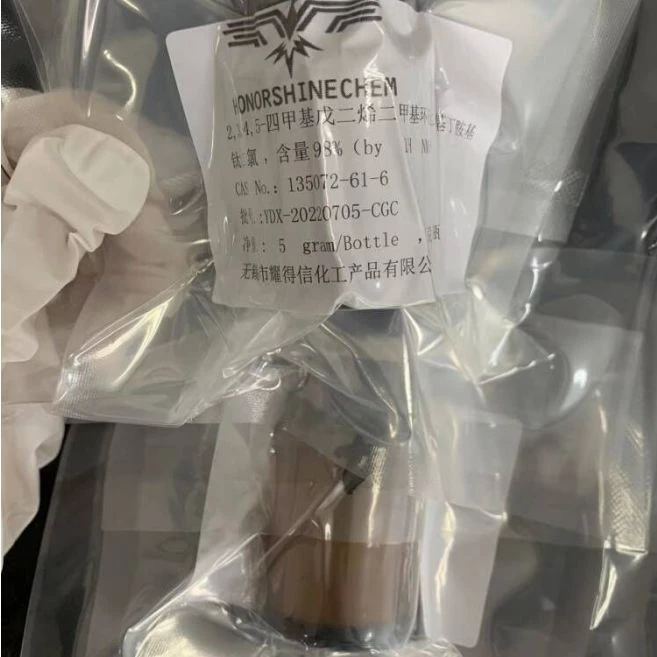
Packaging should maintain product isolation from atmospheric moisture and oxygen.
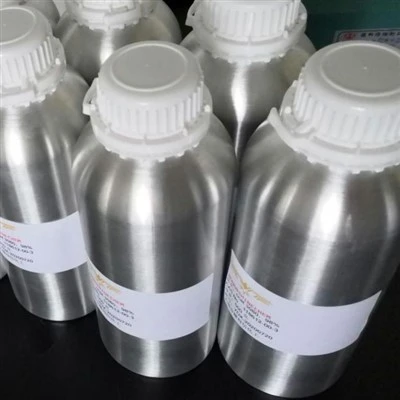
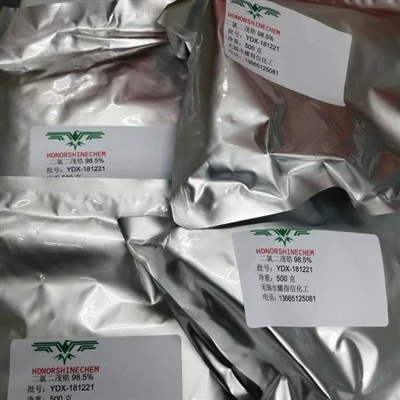
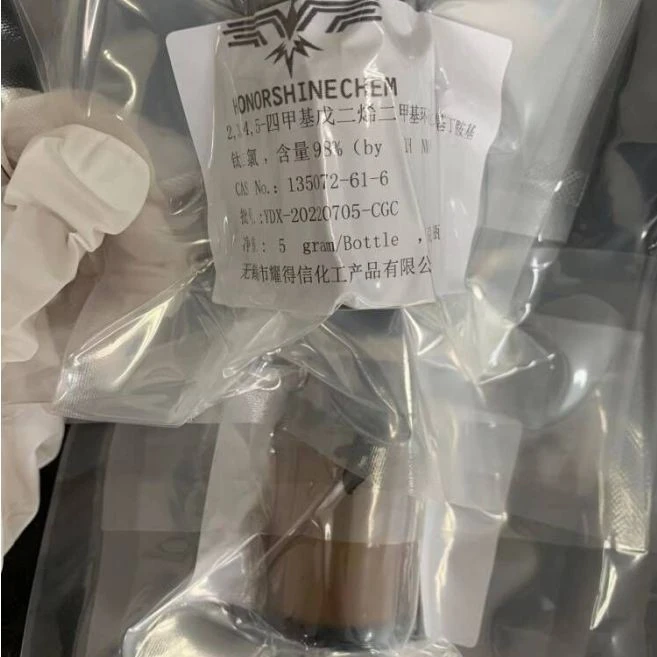
Hermetically sealed packaging suitable for reactive inorganic chemicals.
Moisture-resistant primary packaging.
Inert-gas protection, such as argon or nitrogen, where supported by the product packaging process.
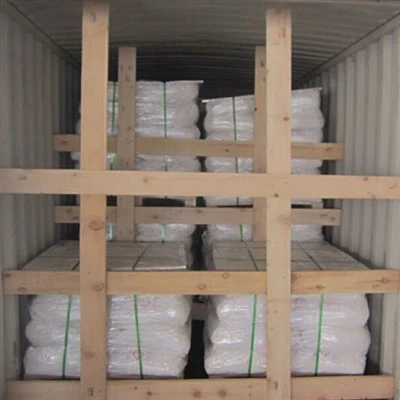
Appropriate secondary packaging to protect the primary container during transportation.
Laboratory and bulk packaging options subject to availability.
Storage Requirements
Store in a tightly sealed container under suitable dry, controlled conditions.
Protect from contact with water, moisture, and humid air.
Keep away from incompatible materials, particularly strong oxidizing agents.
Follow the temperature and storage conditions specified in the applicable SDS.
Maintain appropriate storage controls to prevent accidental exposure during container opening and resealing.
Safe Handling
Handling should be conducted by trained personnel using procedures appropriate for reactive and potentially pyrophoric chemicals.
Suitable protective equipment, controlled handling conditions, and appropriate emergency measures are required. Avoid uncontrolled exposure to air or moisture.
Always consult the current product-specific SDS before handling, repackaging, or using Titanium Dichloride.
FAQ
Q: What is the difference between Titanium Dichloride and Titanium Trichloride?
A: Titanium Dichloride (TiCl₂) contains titanium in the +2 oxidation state, whereas Titanium Trichloride (TiCl₃) contains titanium in the +3 oxidation state. They have different chemical compositions and reaction characteristics and should not be treated as interchangeable materials.
Q: Is Titanium Dichloride sensitive to moisture and air?
A: Yes. Titanium Dichloride is highly reactive and requires protection from air and moisture. Contact with water can cause vigorous reactions, while exposure to air may result in spontaneous ignition. Appropriate sealed packaging and controlled handling are essential.
Hot Tags: titanium dichloride, China titanium dichloride manufacturers, suppliers, factory, Deipa, FIB line repair, MBT, Red Copper Oxide, Titanium Dichloride, Zirconocene Dichloride